Introduction
The world of smokeless tobacco products is vast and complex, with snus standing out as one of the most popular options, particularly among users in Sweden and other Nordic countries. This article aims to thoroughly explore the various ingredients found in snus, how they affect users, and the potential health implications. As we delve deeper into this topic, we will also discuss different types of snus, such as Velo Snus, Iceberg Snus, Siberia Snus, and others. So, let’s roll up our sleeves and dig into the nitty-gritty of what makes snus tick!
Breaking Down Key Ingredients Found in Different Types of SNUS
When discussing snus, it's crucial to understand its composition. Unlike traditional tobacco products that involve combustion, snus is a moist powder made from ground tobacco leaves. The primary components include:
- Tobacco: It is the core ingredient that provides nicotine. Flavorings: These can range from mint to fruit flavors. Preservatives: To extend shelf life. pH Adjusters: Such as sodium carbonate or sodium bicarbonate to enhance nicotine absorption.
These ingredients play specific roles in how snus works and affects users.
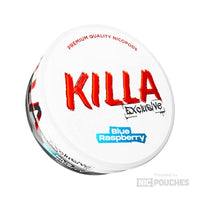
Understanding Tobacco Content in SNUS
What Types of Tobacco Are Used?
Most types of snus utilize air-cured or steamed tobacco rather than fire-cured varieties. This method preserves flavor while reducing harmful substances typically found in burnt tobacco.
How Much Nicotine Is Present?
The nicotine content varies significantly among brands. For example, traditional Swedish snus ranges from 8 mg/g to over 45 mg/g for more potent brands like Siberia Snus. The higher nicotine levels may appeal to seasoned users but can lead to increased risk for side effects.
Flavoring Agents in SNUS
Why Are Flavorings Added?
Flavorings are included not just for taste but also to create a more enjoyable user experience. Popular flavors include:
- Mint Berry Licorice Citrus
These flavors can mask the natural taste of tobacco, making it more palatable for new users.
Are Flavorings Safe?
While many flavoring agents are generally recognized as safe by food safety authorities, long-term effects are still under investigation. Some artificial flavorings might pose risks when ingested through oral products like snus.
Preservatives: Ensuring Freshness
Role of Preservatives
Preservatives help maintain the product's freshness and longevity on store shelves. Common preservatives used include sodium benzoate and potassium sorbate.
Are Preservatives Harmful?
In moderation, most preservatives used are deemed safe; however, some studies link high consumption levels with potential health risks.
pH Adjusters: Maximizing Absorption
Why Is pH Important?
The pH level affects how quickly nicotine is absorbed into the bloodstream. A higher pH (around 7-9) enhances absorption efficiency.
Common pH Adjusters
Sodium carbonate and ammonium carbonate are typical pH adjusters found in many types of snus. They ensure users experience quicker effects from nicotine.
Types of SNUS Explored
Swedish Snus
Swedish snus is renowned for its quality control standards that regulate both ingredients and production processes.
Unique Features
No combustion involved. Typically lower in harmful substances. Available in a wide range of flavors.Nordic Snus
Similar to Swedish varieties but often includes unique local twists on flavor profiles or packaging designs.
Popular Brands
Some notable brands include Oden's and Jakobsson's which offer various strengths and flavors.
Velo Snus
Velo represents a modern take on traditional snus with a focus on being tobacco-free while still delivering nicotine satisfaction.
Health Considerations
Is Velo Snus better for you than traditional varieties? Without tobacco, it potentially reduces exposure to harmful compounds associated with combusted tobacco.
Iceberg Snus
This brand emphasizes extreme flavors (like cold mint) aimed at providing intense experiences for seasoned users.
Strength Levels
Iceberg offers some variants that contain exceptionally high nicotine concentrations—appealing primarily to experienced consumers who know their limits.
Siberia Snus
Known as one of the strongest types available today—some variants contain upwards of 43 mg/g nicotine!
Risks Involved
With great power comes great responsibility; using Siberia without caution could easily lead to adverse side effects such as nausea or dizziness due to high nicotine intake.
Cuba Snus
Cuba Snus focuses heavily on rich flavor profiles inspired by Cuban cigars while still maintaining usability similar to traditional Swedish versions.
FAQ Section
1. What Does SNUS Do?
Snus primarily delivers nicotine through the gums when placed between them and lip—a process resulting in quick absorption into the bloodstream without combustion-related harm typical with smoking alternatives.
2. Is SNUS Bad for You?
While considered less harmful than smoking cigarettes due mainly due lower carcinogen levels—snusing can still result in health issues such as gum disease or increased heart rate caused by nicotine dependency over time.
3. How To Use SNUS Effectively?
To maximize enjoyment:
Place a pouch between your gum & upper lip. Allow it to sit undisturbed for around 30 minutes before disposal. Avoid swallowing saliva buildup during use!4. Is SNUS Illegal Anywhere?
Laws vary widely; while legal across Europe & North America—the sale may be restricted or prohibited altogether depending on local regulations regarding oral tobacco products!
5. What Are Common Side Effects Associated With Using SNUS?
Possible side effects include nausea if consumed excessively within a short period—frequent usage may also lead towards dependency characterized by cravings outside regular intervals leading into withdrawal symptoms once discontinued abruptly!
6. What’s The Strongest Type Of SNUS Available Today?
Currently regarded as one among strongest contenders would be Siberia brand variants which boast impressive levels reaching above forty milligrams per gram—an amount best suited only towards experienced users https://3mg-snus-atxu198603682571466120.almoheet-travel.com/what-happens-if-you-swallow-a-snus-pouch aware risks involved beforehand!
Conclusion
In summary, understanding the key ingredients found in different types of snus helps consumers make informed choices regarding their use and potential health impacts associated with them over time! While products like Velo offer promising alternatives without traditional tobacco content—many still struggle balancing pleasure gained versus risks incurred through prolonged exposure ultimately raising questions about sustainability long-term habits formed around such consumables! Always consult healthcare professionals if considering making significant lifestyle changes involving any form of smokeless tobacco including varieties discussed throughout this article!
By breaking down these components effectively—we gain insights not only about preferences but also possible pathways navigating safer routes towards enjoyment amidst complexities surrounding modern-day smokeless options available today!